Tuff Shed Junior ADU Conversion: The San Jose Owner’s Guide
If you own a Tuff Shed and you’re weighing a junior ADU conversion in San Jose, here’s the straight answer: a JADU conversion of an existing Tuff Shed structure typically runs $95,000 – $165,000 installed, depending on foundation work, electrical service, and whether your shed was built on a slab or skids. Most Tuff Shed owners discover this isn’t a “parts” project at all, it’s a building-code project, and the part that usually fails first is the foundation connection. We’ll walk through what actually holds up, what doesn’t, and what the city of San Jose will ask for before you spend a dollar.
We’re an independent contractor, not affiliated with Tuff Shed, and we’ve converted enough of their buildings to know exactly where the value is and where the headaches hide.
Which Tuff Shed Models This Applies To
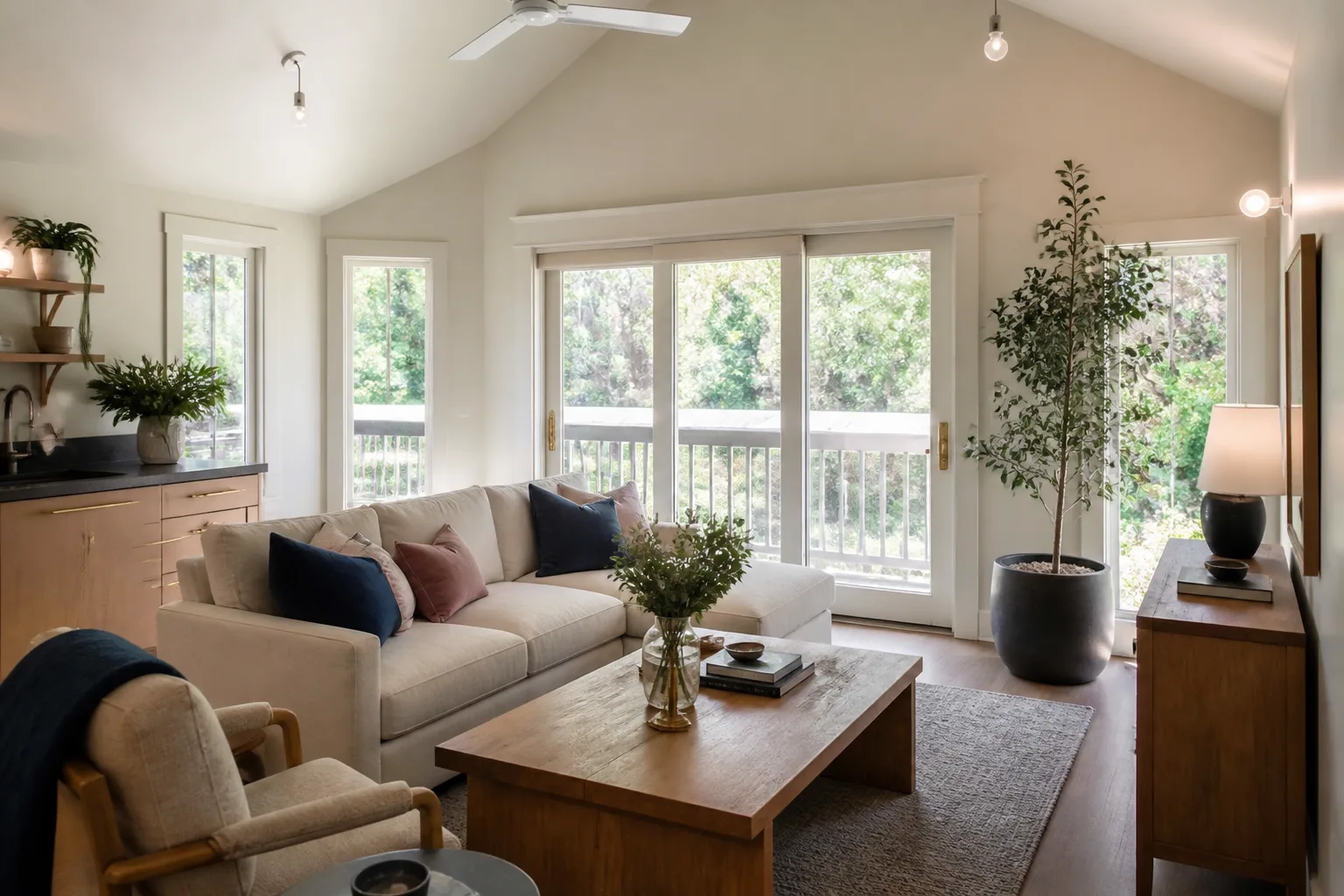
Tuff Shed builds two product lines that matter for JADU conversion in San Jose: the Premier Pro series and the Ranch series. The Premier Pro is the one with 2×4 wall framing on 16-inch centers, which is close to what a stick-built room addition would have. The Ranch series uses 2×3 studs at 24-inch centers on many models, and that spacing changes what insulation and drywall you can legally install under California energy code.
Here’s the compatibility gotcha most owners miss: Tuff Shed floor systems are rated for storage loads, not residential occupancy loads. A 10×12 Premier Pro has floor joists sized for roughly 40 pounds per square foot. San Jose building code requires 40 psf live load for sleeping rooms, so you’re technically at the edge. But most Tuff Sheds sit on either a pressure-treated skid foundation or a thin concrete pad. Neither meets San Jose’s frost-depth or seismic anchorage requirements for a dwelling unit. That means every conversion we do includes either a new perimeter foundation or an engineered anchorage retrofit. Budget $8,000 – $18,000 for that alone, depending on access and soil.
If your shed has a manufacturer label on the interior wall near the door, it’ll list the series and date of manufacture. If it says “Pro Tall” or “Pro Ranch,” that’s the older naming scheme. We can work with any of them, but the framing profile changes the insulation strategy.
Signs Your Tuff Shed Junior ADU Conversion Is Failing
- Skid rot at the base plate: Tuff Shed’s pressure-treated skids sit directly on soil or thin gravel in most San Jose backyards. After five to seven years, the bottom plate wicks moisture and the corners soften. We see this most in the Cambrian and Willow Glen neighborhoods where irrigation overspray keeps the perimeter damp year-round.
- Door frame pulling away from the wall: The shed settles unevenly, the door jamb torques, and the door won’t latch cleanly. That’s a foundation issue, not a hinge issue.
- Electrical wiring that was never permitted: If a previous owner ran an extension cord or spliced a circuit from the house to the shed, that’s a serious fire hazard and a code violation. San Jose inspectors flag this immediately during a JADU review.
- Condensation on the underside of the roof sheathing: Tuff Shed roofs are built for ventilation, not for conditioned living space. When you add insulation and drywall without a proper vapor barrier plan, you trap moisture. In San Jose’s winter months, that shows up as water staining at the wall-to-roof joint.
- Windows that are single-pane and non-tempered: Many Tuff Shed models ship with basic windows that won’t meet California Title 24 energy standards or safety glazing requirements within 18 inches of the floor. If your windows have no etching in the corner, they’re likely not tempered.
Replacement Cost & What’s Included
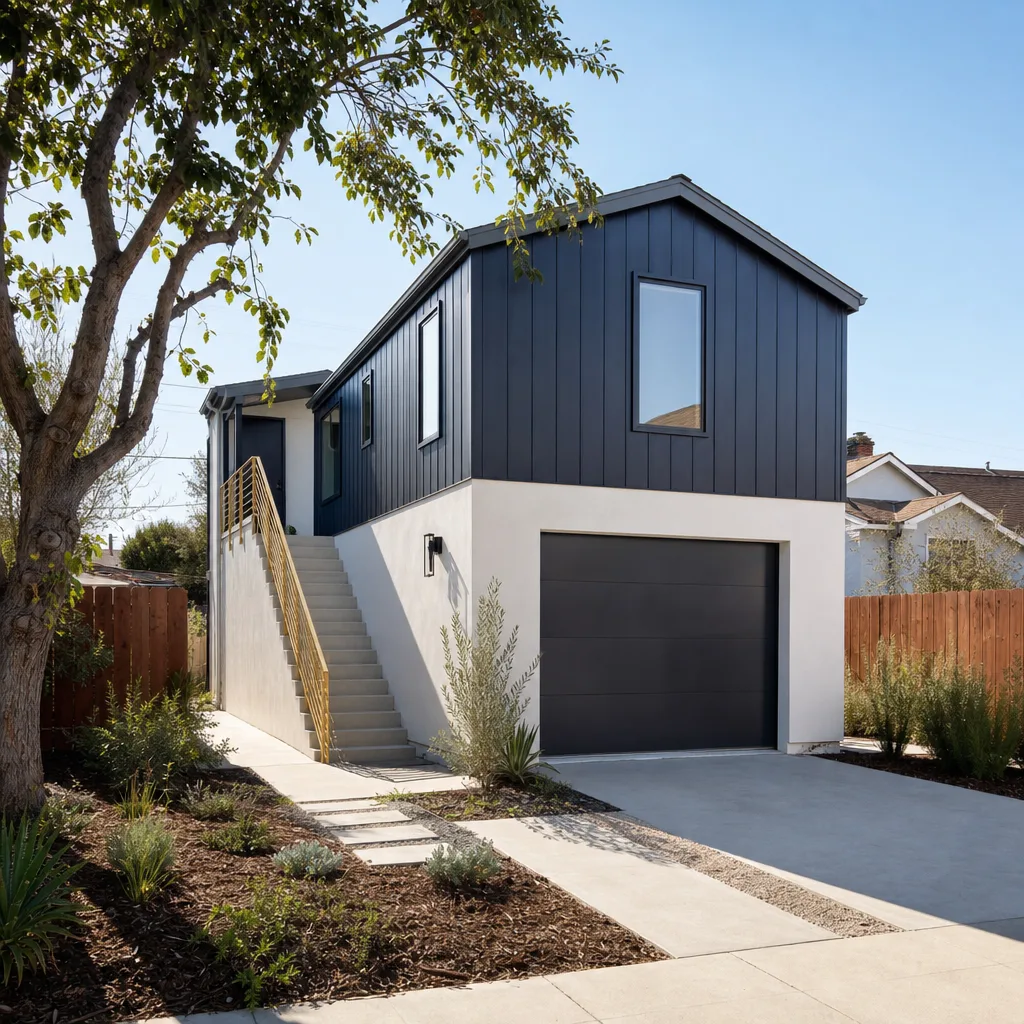
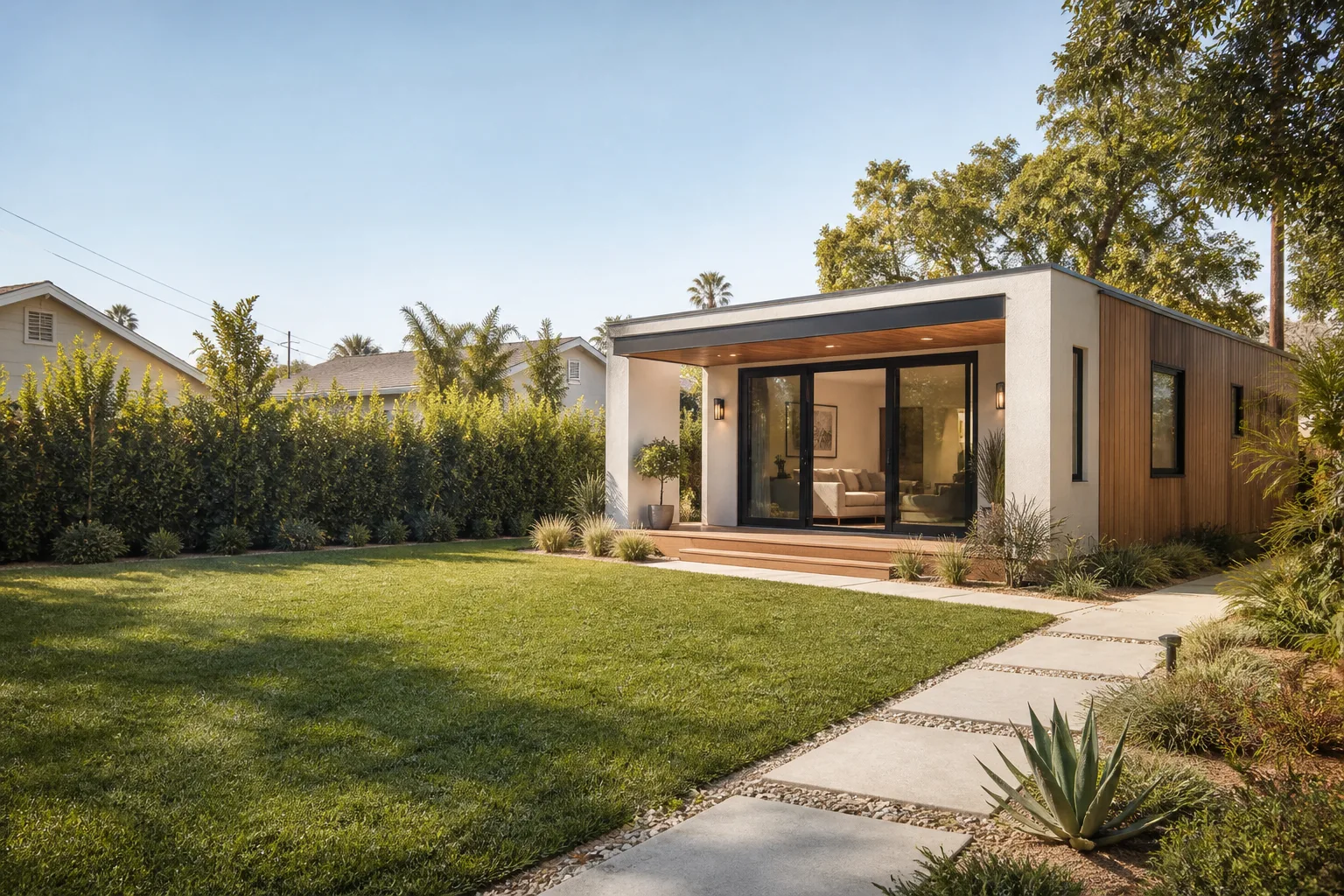
A full Tuff Shed JADU conversion in San Jose, done to code with permits, runs $95,000 – $165,000. That includes foundation work, electrical service upgrade if needed (a 100-amp subpanel is typical), wall insulation and drywall, a mini-split heat pump, plumbing for a bathroom or kitchenette if the lot allows, flooring, and finish work. At the low end, you’re converting a small 10×12 shed into a 120-square-foot efficiency with no plumbing. At the high end, you’re converting a 12×24 with a three-quarter bath.
What changes the price most is whether your existing shed can be reused at all. If the framing is sound and the roof is under ten years old, reuse usually makes sense. If the skids are rotted or the walls have lateral racking, it’s often cheaper to demo and rebuild on a proper foundation. That’s a conversation we have honestly on site, because we don’t get paid more for telling you the expensive version if the cheap version won’t pass inspection.
Every quote we write includes a line-by-line scope, and the price doesn’t change unless you change the scope. The 365-Day Done Right Promise covers defects in workmanship for one full calendar year from project completion. If something isn’t right, we come back and make it right, no haggling.
DIY or Call Us?
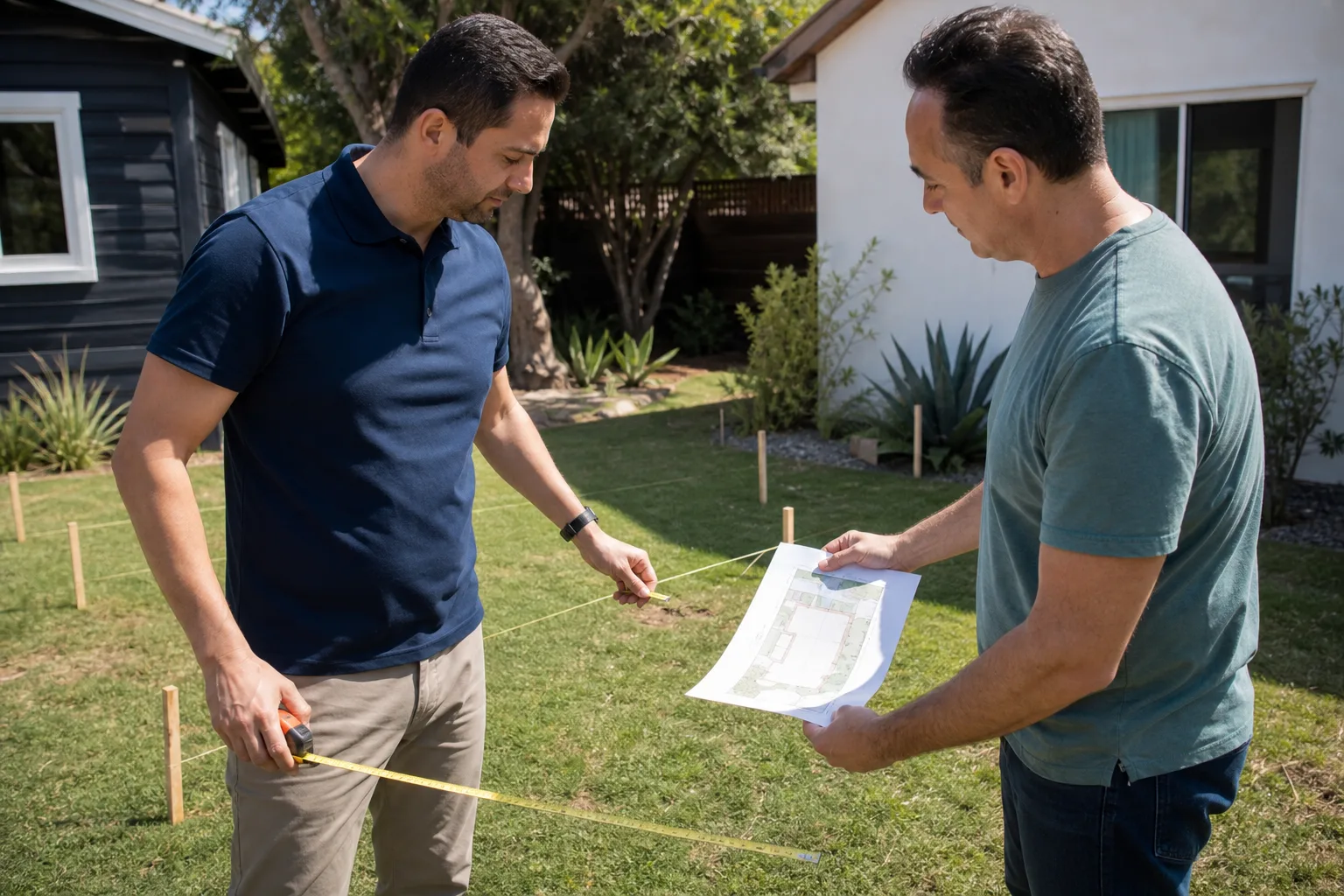
You can safely check a few things yourself: look under the shed for standing water or rotted skids, confirm the manufacturer label, and check whether you have a 20-amp circuit or just an extension cord running from the house. Those answers shape the whole conversion, and you’ll need them for any contractor conversation.
What you should not do yourself is touch electrical panels, run new circuits, or attempt structural modifications to the framing. A JADU requires working smoke and carbon monoxide detection, a separate entrance, and a cooking surface by California law. Getting any of these wrong creates a life-safety issue, not just a permit problem. San Jose’s planning department also requires owner-builder paperwork if you’re doing permitted work yourself, and if you’re wrong, the inspector will catch it.
If you want a straight answer on whether your shed is conversion-worthy, call us at (669) 444-4530. Tell me what you actually need the space to do, then we’ll figure out what makes sense to build.
FAQs
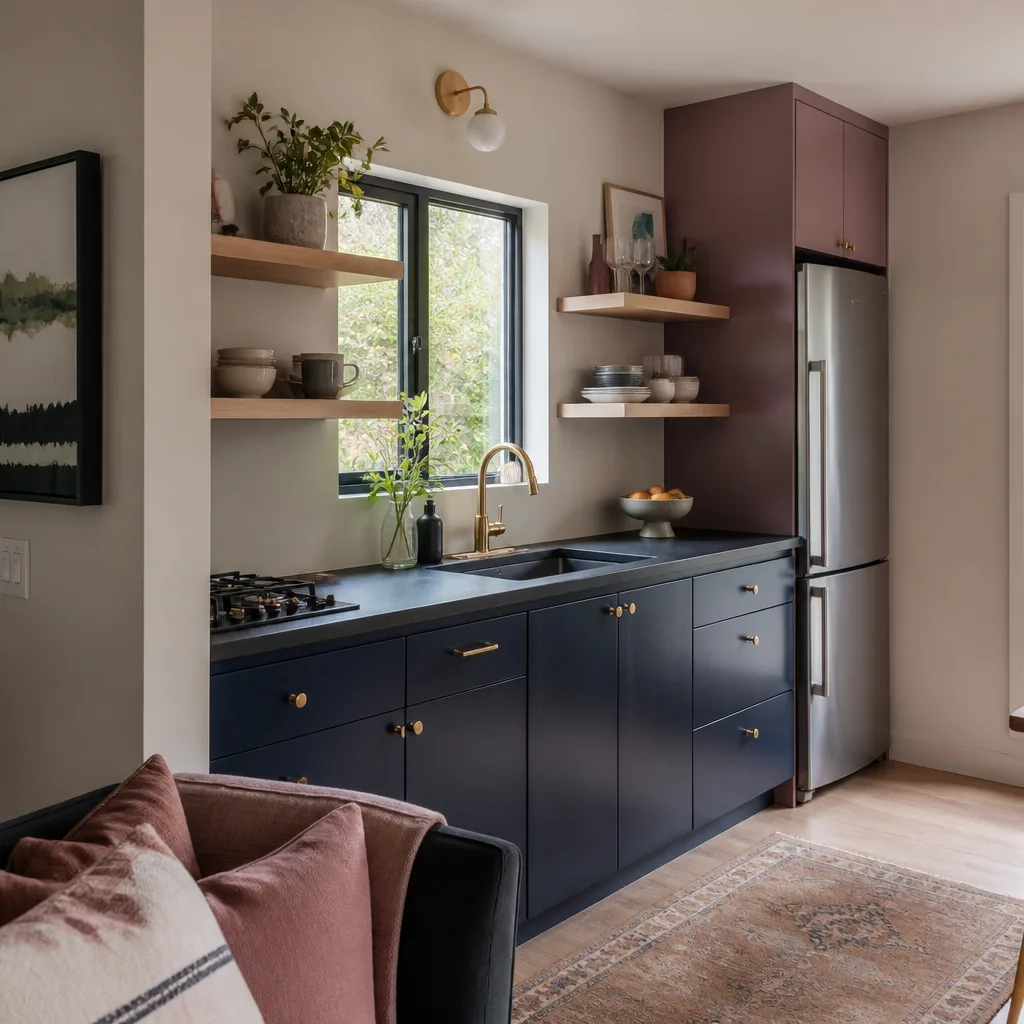
With no ground contact and proper ventilation, Tuff Shed’s LP SmartSide or painted wood siding lasts 15 – 20 years in San Jose’s climate before you’ll see peeling, swelling at the bottom edge, or fastener rust. The weak point is always the foundation contact and any area within eight inches of soil or irrigation spray. Once a conversion includes a raised perimeter foundation and proper flashing, a Tuff Shed shell can serve as a JADU for 30-plus years. Call (669) 444-4530 and we’ll tell you what your specific shed has left in it.
Yes, if the failure is limited to skids or the bottom plate, a perimeter retrofit with a new pressure-treated mudsill and hold-down anchors can solve it. But if the walls have started to rack or the roof has water intrusion, repair costs can approach replacement within 10 – 15%. We’ll show you the numbers both ways on site and let you decide with real information. Estimates are free.
Most conversions take 10 – 16 weeks from first permit submittal to final inspection, with roughly 6 – 8 weeks of that being San Jose’s permitting and plan review timeline. Santa Clara County plan check times can push that longer during busy building seasons. We handle the permits as part of the project and you’ll see every submittal date in your written timeline before work starts.
We stock the common framing and flashing materials needed for Tuff Shed conversions: pressure-treated mudsills, hold-down hardware, Simpson strong-tie connectors, and LP SmartSide-compatible trim. For finished components like Tuff Shed’s branded door handles or window latches, we order direct from the manufacturer or a quality aftermarket equivalent, and we’ll never mark up a part without telling you what it cost. Call (669) 444-4530 to confirm what we have on the truck for your model.
Written by Miles Hartwell, Owner, Sutton ADU San Jose at Sutton ADU San Jose, serving San Jose and nearby areas.