Plant Prefab Site Prep & Utilities: The San Jose Owner's Guide
Site prep and utility work for a Plant Prefab unit in San Jose typically runs $28,000–$65,000 depending on your lot’s existing conditions, trenching distance, and whether you need a new service panel or sewer lateral. We stock and install the full range of underground utility materials, foundation forms, and grading equipment needed for Plant Prefab builds, and we can usually break ground within two to three weeks of your permit being issued. Most owners discover site prep problems the hard way: a failed perc test, a sewer lateral that’s collapsed under a 60-year-old front yard, or a gas line that’s two feet shallower than current code requires. That’s the moment the Plant Prefab unit itself is ready to ship, but the ground isn’t ready to receive it.
We’re an independent service provider, not affiliated with Plant Prefab. But we’ve prepped more than our share of their pads, and we know exactly what their foundation drawings expect from a San Jose lot.
Which Plant Prefab Models This Applies To
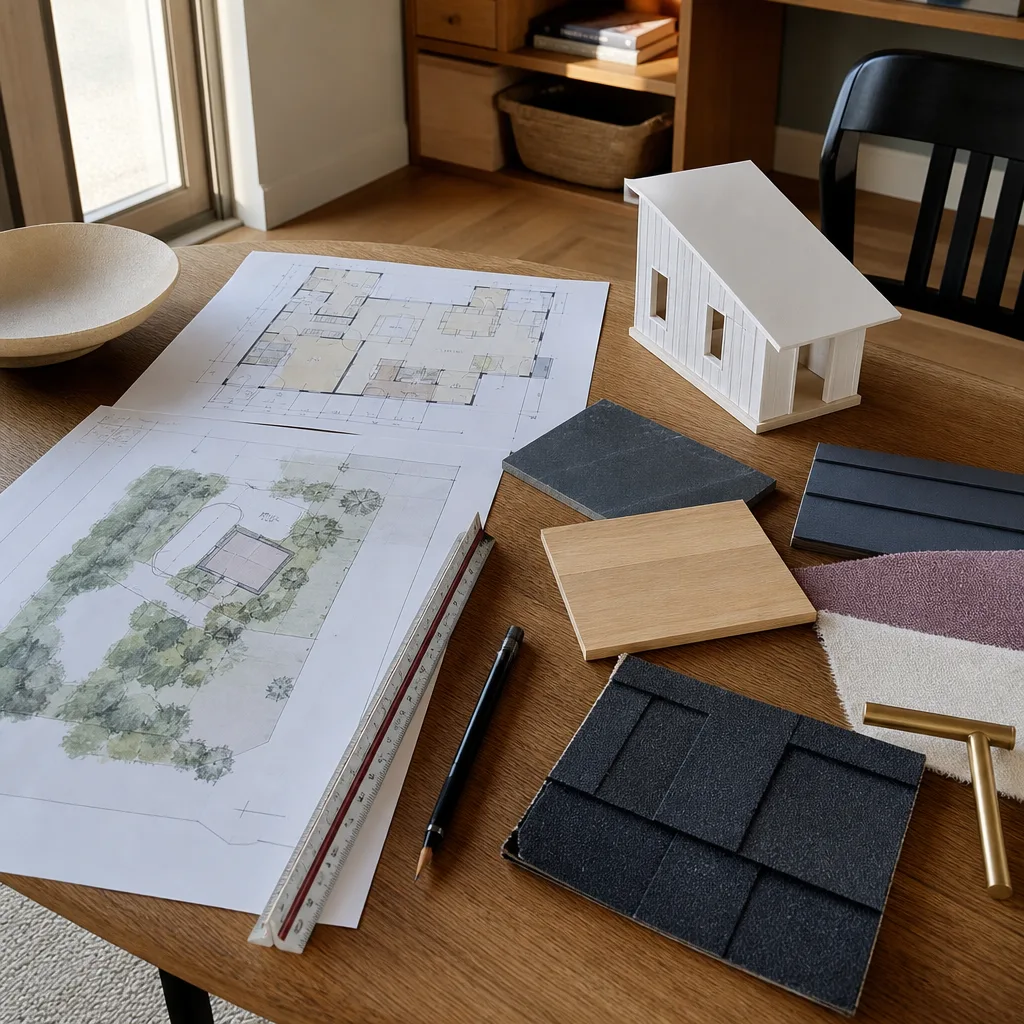
Plant Prefab’s living units all require a prepared, level pad with utility stubs brought to within a specified distance of the foundation edge. Whether you’re working with one of their smaller backyard studio models or a multi-module custom home, the site prep requirements share common DNA: a compacted gravel or concrete pad built to the module’s exact footprint, trenching for water, sewer, gas, and electrical, and a service panel sized to the unit’s load calculation.
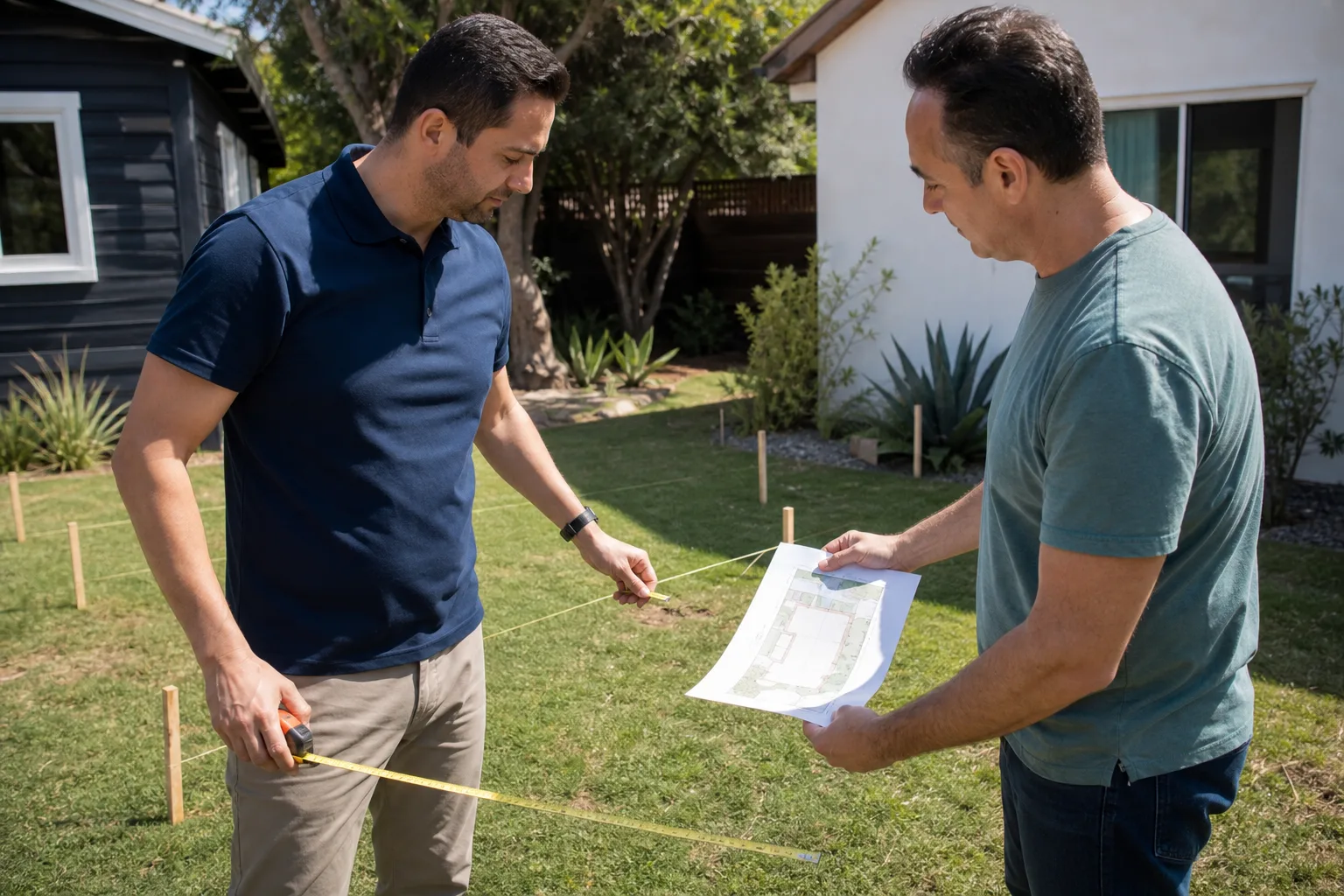
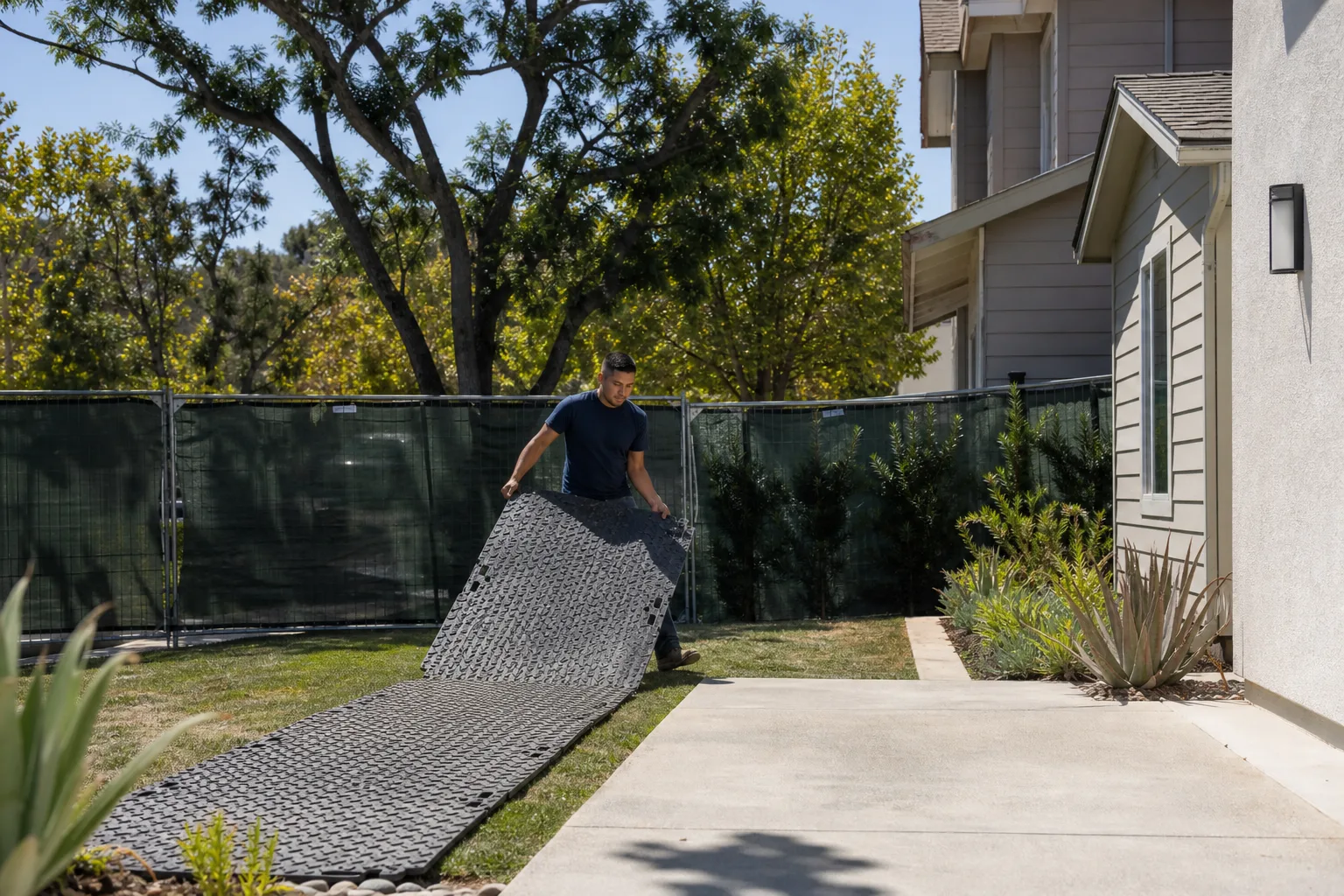
The compatibility gotcha most owners miss is that Plant Prefab’s larger multi-module designs often require a crane access path 20 to 30 feet wide, which means your site prep has to account for heavy equipment clearances, not just the final footprint. If your backyard is accessed through a six-foot gate between the house and the fence, that’s a conversation we need to have before you order the unit. We’ve seen Willow Glen backyards where the difference between a $30,000 site prep and a $60,000 site prep came down to whether the neighbor’s fence could be temporarily removed for crane access.
For the parts themselves — the vaults, conduits, cleanouts, meter bases, and panel enclosures — we stock OEM-spec equivalents from suppliers Plant Prefab commonly references, plus quality aftermarket options where the savings justify it. Miles Hartwell will walk your lot and tell you which corners are safe to cut and which ones are not. Conduit is conduit until it isn’t, and San Jose’s electrical inspectors know the difference.
Signs Your Plant Prefab Site Prep & Utilities Is Failing
- Water pooling near the pad edge after rain. This usually means the grade wasn’t sloped correctly or the compacted base is settling. We see this most often on pads installed during dry summers, when contractors skip the moisture conditioning step before compaction.
- Sewer smell near the utility stub. A dry P-trap or a cracked cleanout is the typical cause. The cleanout caps installed during site prep are often the cheapest plastic available, and they fail in San Jose’s sun within three to five years.
- Low water pressure at the hose bib before the unit is even connected. Undersized supply line or a kinked service line from trench rock. We’ve excavated more than one trench where the backfill included basketball-sized chunks of concrete from an old patio.
- Breaker trips or dimming lights whenever the temporary power pole is in use. This points to an undersized feeder or a corroded connection at the meter base. Salt air isn’t the issue in San Jose, but oxidation still gets to exposed lugs over a few wet winters.
- Cracks in the pad wider than a quarter inch. On a properly engineered slab or gravel pad for a Plant Prefab unit, hairline cracking is normal, but wider cracks suggest either poor compaction or a tree root system that wasn’t addressed before grading. Roots will find your sewer lateral next, guaranteed.
Replacement Cost & What’s Included
For a full site prep scope on a standard backyard lot in San Jose, expect these ranges:
| Scope Item | Typical Range |
|---|---|
| Grading, excavation, and compaction | $4,000 – $9,000 |
| Gravel or concrete pad for the module footprint | $6,500 – $14,000 |
| Utility trenching (water, sewer, gas, electrical) | $3,500 – $8,000 |
| Sewer lateral repair or replacement | $4,000 – $12,000 |
| Electrical service upgrade (100A to 200A panel, meter, feeder) | $5,000 – $11,000 |
| Permits and inspection coordination | $1,500 – $3,500 |
Every line item is broken out in your written price before work starts. That’s the Sutton way and the Threshold Standard we operate under. We don’t hand you a lump sum and hope you don’t ask what’s in it. The 365-Day Done Right Promise covers our site work for one full calendar year from completion, and if anything fails in that window, our second visit is free.
DIY or Call Us?
Here’s the honest split. You can safely check your cleanout caps for cracks, run a hose to test drainage slope, and visually inspect your meter base for corrosion. That’s the end of the safe list. Trenching near gas lines, modifying electrical services, and compacting soil to support a 20,000-pound module are not weekend projects. We’ve excavated backyards where a homeowner’s hand-dug trench hit a PG&E gas line at 14 inches because someone in the 1970s ran it shallow and never documented it. No permit, no locates, and a repair bill that made the original project look cheap. San Jose has rules about who can touch what, and we’d rather you call us at (669) 444-4530 before the shovel goes in the ground.
FAQs
Plan on two to four weeks of active work once permits are in hand, plus another one to three weeks of inspection scheduling depending on how backed up Santa Clara County is that month. We’ll give you a week-by-week schedule as part of your written estimate.
Often yes. A cracked cleanout, a settled section of pad, or an undersized section of conduit can be addressed without a full re-do. We’ll tell you straight if repair makes sense. Call (669) 444-4530 and Miles will look at it during the walkthrough.
We keep common vaults, conduits, meter bases, panel enclosures, and cleanout assemblies on hand and can source Plant Prefab-specified materials within a few days. Meaning we’re not waiting on a distributor in Texas while your crane sits idle.
Not unless we find something genuinely unknown before excavation begins, like an abandoned septic tank or a utility line that’s not where the records say it is. And if we do, you’ll get a written change order with a new price before we touch it. No silent additions. That’s the Threshold Standard, in writing, on every project.
Written by Miles Hartwell, Owner, Sutton ADU San Jose at Sutton ADU San Jose, serving San Jose and nearby areas.