James Hardie New Detached ADU: The San Jose Owner’s Guide
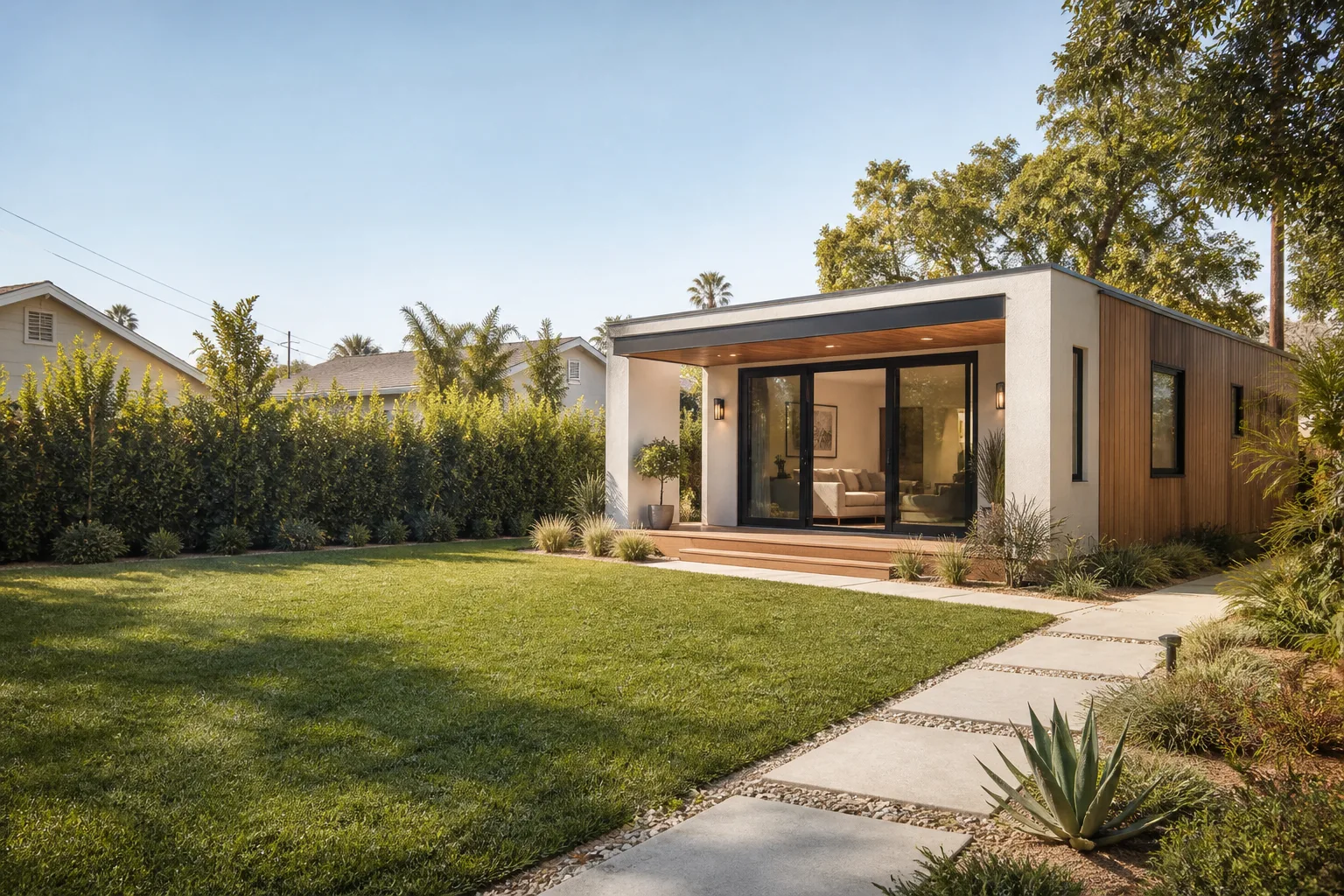
If you’re planning a new detached ADU in San Jose with James Hardie siding or panel systems, you’re looking at a full build rather than a part replacement, and we handle that from first stake to final inspection. A new detached ADU clad in James Hardie products in San Jose typically runs $180,000 to $320,000 installed, depending on square footage, foundation type, and site conditions. Most owners come to us after realizing their existing structure isn’t worth re-siding, or they’ve got a failed fiber-cement install from another contractor that’s now showing joint separation and moisture intrusion.
What we see most often: homeowners call us because their James Hardie lap siding has cracked at fastener points, or their HardiePanel vertical siding is swelling at the bottom edge where it meets grade. That’s usually the moment they realize a patch job won’t solve it, and they start asking whether a new detached ADU makes more sense than chasing repairs on an aging structure. We’ll walk you through the numbers honestly.
Key Takeaways:
- A new James Hardie-clad detached ADU in San Jose runs $180,000 – $320,000 before landscaping or utility upgrades.
- James Hardie fiber cement performs well in San Jose’s dry summers and wet winters, but only when installed with proper flashing and the required 6-inch ground clearance.
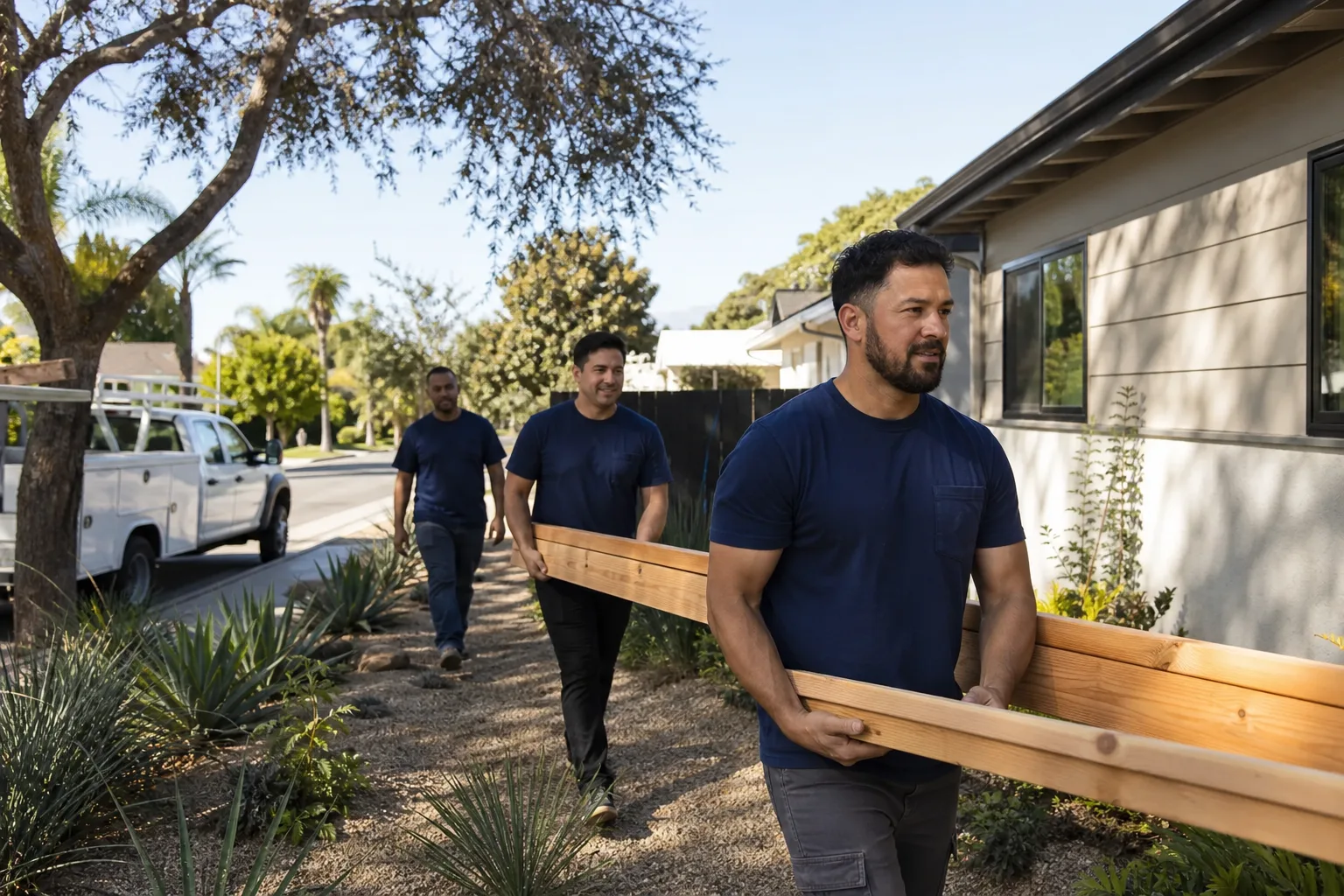
- Sutton ADU Builders provides a written price before any work starts, and every crew member is Threshold Verified: background-checked, identity-verified, and photo-badged.
- Call (669) 444-4530 for a free site assessment and a real number, not a placeholder.
Which James Hardie Models This Applies To
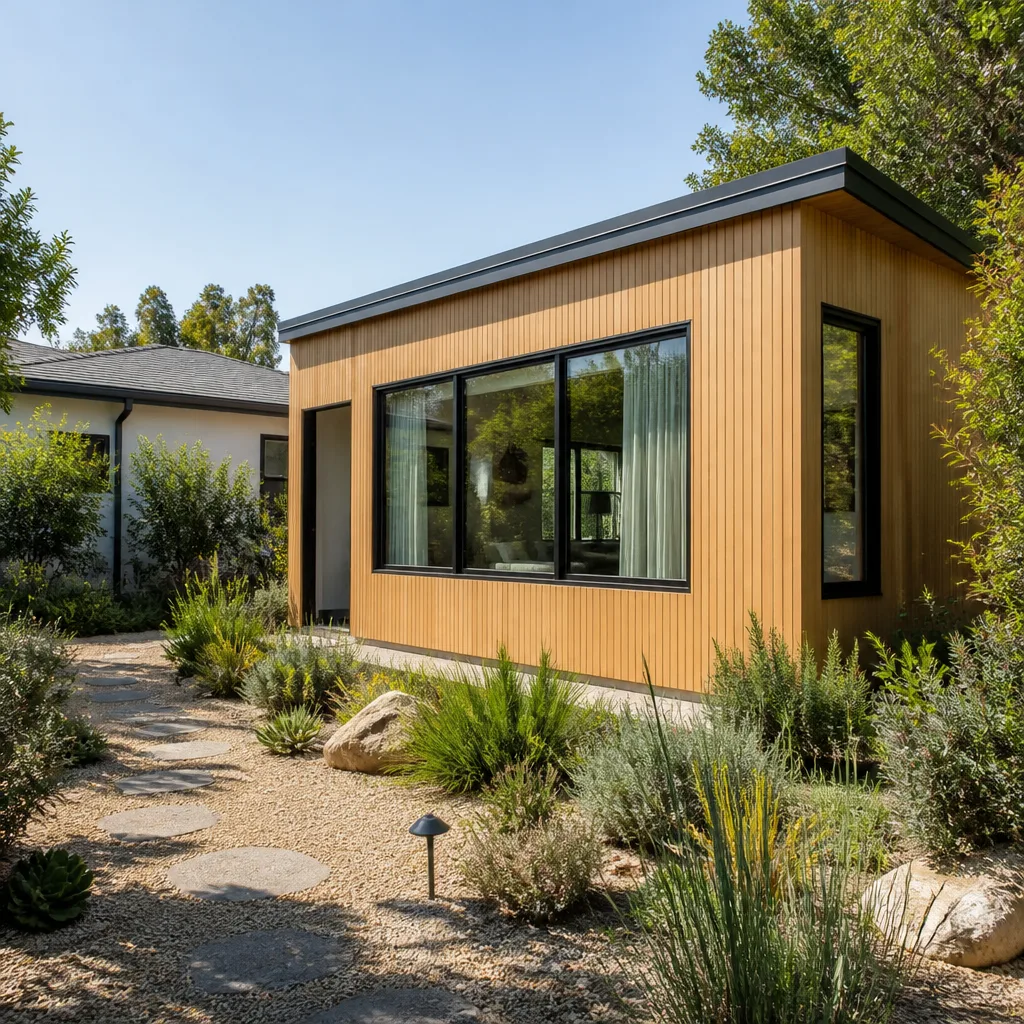
When we say James Hardie new detached ADU, we’re talking about full exterior systems: HardiePlank lap siding, HardiePanel vertical siding, HardieTrim boards, HardieSoffit, and the HardieBacker board used behind tile in wet areas. The most common choice for San Jose ADUs is HardiePlank in the 8.25-inch exposure with a Cedarmill or Smooth finish, though we’ve installed plenty of HardiePanel with the stucco-look texture for homeowners who want a more modern, flat-faced exterior.
The compatibility gotcha with James Hardie is fastener and flashing specification. HardiePlank requires either 6d galvanized siding nails or approved screws, and the manufacturer mandates a minimum 6-inch clearance between the bottom edge of the siding and finished grade. That clearance matters in San Jose because our clay-heavy soil expands and contracts with winter rain, and siding set too low will wick moisture and fail early. We also see a lot of older installs where a contractor used standard cement board screws instead of James Hardie-approved fasteners, which voids the product warranty and leads to premature cracking.
For a new detached ADU, the question isn’t OEM versus aftermarket parts; it’s selecting the right James Hardie product line for your specific lot and exposure. HardiePlank and HardiePanel are the two primary wall products, and they’re not interchangeable for every architectural style. We stock both on the truck for initial consultations so you can see the textures in person before committing.
Signs Your James Hardie New Detached ADU Is Failing
- Cracking at fastener heads. If you see hairline cracks radiating from nail or screw heads in HardiePlank, the siding was likely over-driven or the wrong fastener was used. This lets water behind the plank and starts the failure cycle.
- Swelling or spalling at the bottom edge. When fiber cement sits too close to grade or lacks a proper drip edge, the bottom 2 – 3 inches absorb moisture, swell, and eventually delaminate. This is the most common failure we see in San Jose’s older ADUs and garage conversions.
- Gaps opening at butt joints. James Hardie specifies an 1/8-inch gap at butt joints with caulking or flashing behind. When installers skip the flashing or butt the planks tight, seasonal expansion pushes joints apart and exposes the underlayment.
- Mold or staining on interior drywall. This usually means water got past the siding and is sitting in the wall cavity. By the time you see interior staining, the exterior failure has been active for months.
- Caulk pulling away from trim boards. HardieTrim expands and contracts at a different rate than the plank siding. If the painter used standard acrylic caulk instead of a high-quality elastomeric, it will separate within the first two San Jose seasons.
Replacement Cost & What’s Included
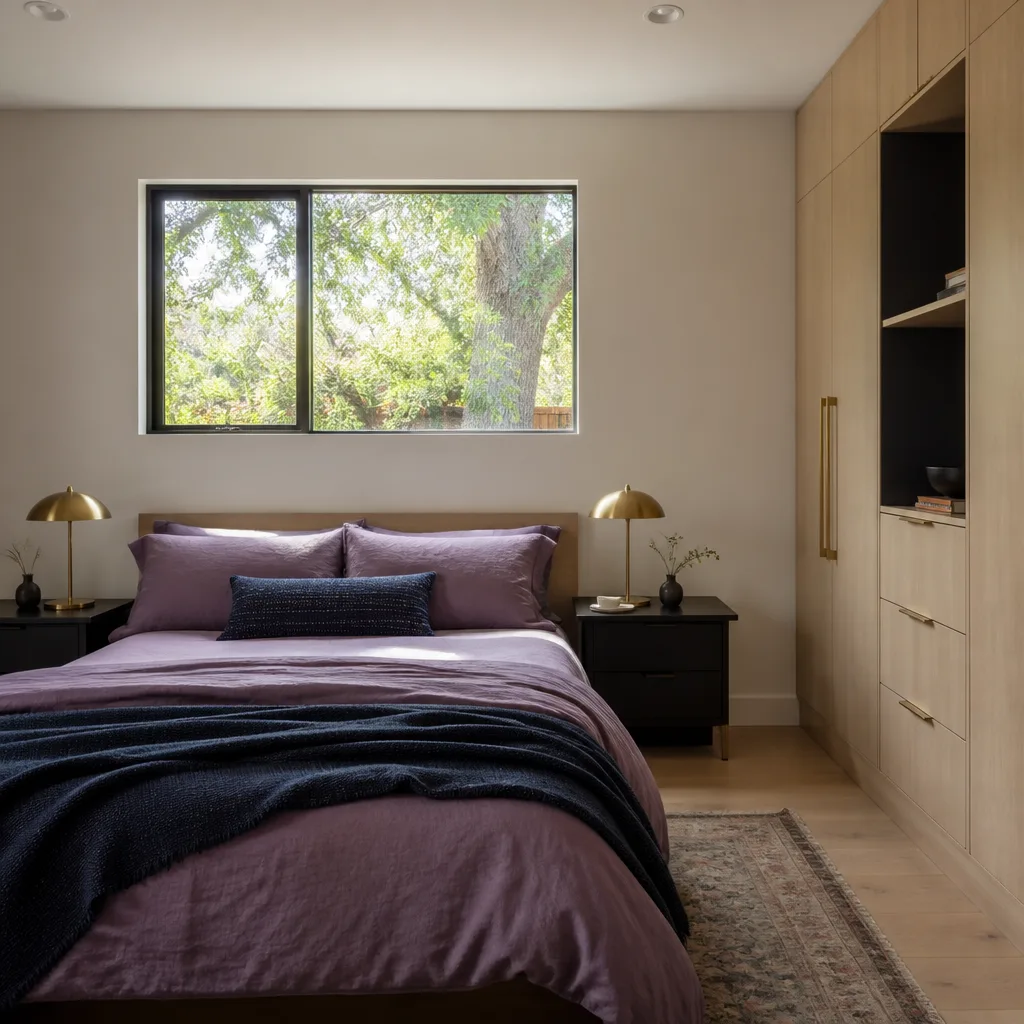
For a new detached ADU with a James Hardie exterior, San Jose pricing breaks out roughly like this:
| Scope | Typical Range |
|---|---|
| 400 sq ft ADU, single story, HardiePlank lap siding | $180,000 – $230,000 |
| 600 sq ft ADU with HardiePanel and HardieTrim accents | $240,000 – $290,000 |
| 800+ sq ft ADU with custom Hardie configurations | $300,000 – $320,000+ |
Those numbers include foundation, framing, electrical, plumbing, insulation, drywall, exterior cladding, and interior finishes to a functional standard. What drives the range is site access, soil conditions, utility trenching, and whether you need a new electrical service panel. We give you a written line-item price before any work starts, so you’ll see exactly where every dollar goes.
Every build is covered by our 365-Day Done Right Promise: if any element of the workmanship fails within one full year, we come back and make it right at no cost. That’s a written guarantee, not a verbal assurance.
DIY or Call Us?
If you’re thinking about repairing or replacing James Hardie siding on an existing structure yourself, there are a few things you can safely check: look for gaps at butt joints, measure ground clearance, and note any visible cracking. That’s where DIY should stop. Fiber cement is heavy, brittle when mishandled, and cutting it produces silica dust that requires proper respiratory protection. Improperly installed Hardie products fail faster than no siding at all, because the trapped moisture causes more damage than exposure ever would.
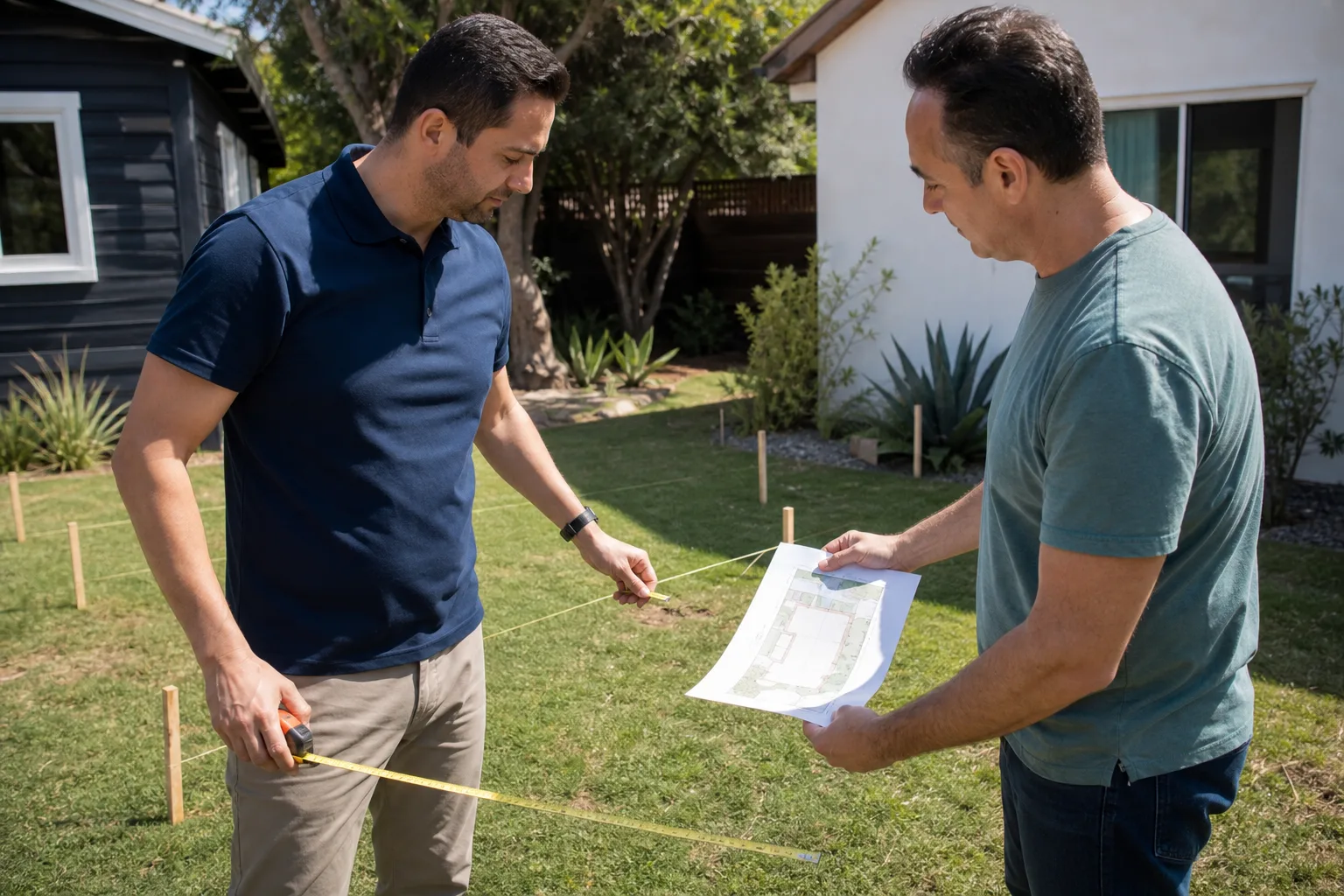
For a new detached ADU, this isn’t a weekend project. We pull permits, coordinate inspections with Santa Clara County, and manage the entire build. You won’t be handed an unfamiliar crew; every person on site is Threshold Verified, and you’ll have their name and photo before they arrive. If you’re weighing a new build against re-siding an old structure, call (669) 444-4530 and we’ll talk through both options honestly.
FAQs
In San Jose’s climate, properly installed James Hardie fiber cement typically lasts 30 to 50 years before the first board needs replacement, but that assumes correct ground clearance, proper flashing, and approved fasteners. The product warranty from James Hardie is 30 years for HardiePlank and HardiePanel, but installation errors can cut real-world lifespan to under a decade. Call (669) 444-4530 if you want us to assess an existing install.
Individual cracked or swollen boards can be replaced, but only if the underlying moisture issue is addressed first, which often means correcting ground clearance or flashings. If multiple boards are failing or the wall cavity shows signs of water damage, a patch job just buys you time. We’ll give you a straight answer during the site walkthrough.
Most new detached ADUs with James Hardie exteriors take 6 to 10 months from permit submittal to final inspection, depending on Santa Clara County’s current permit queue and your site’s complexity. We handle the permit process and inspections so you’re not chasing paperwork. Call (669) 444-4530 for a realistic timeline based on your specific lot.
We source all James Hardie materials directly through authorized suppliers and handle the logistics, so you never need to order siding or trim yourself. We also work with prefab and modular lines like Abodu, Cover, and Dvele when a factory-built structure makes more sense for your lot. Estimates are free, and we’ll show you samples before you commit.
Written by Miles Hartwell, Owner, Sutton ADU San Jose at Sutton ADU San Jose, serving San Jose and nearby areas.