Plant Prefab New Detached ADU: The San Jose Owner’s Guide
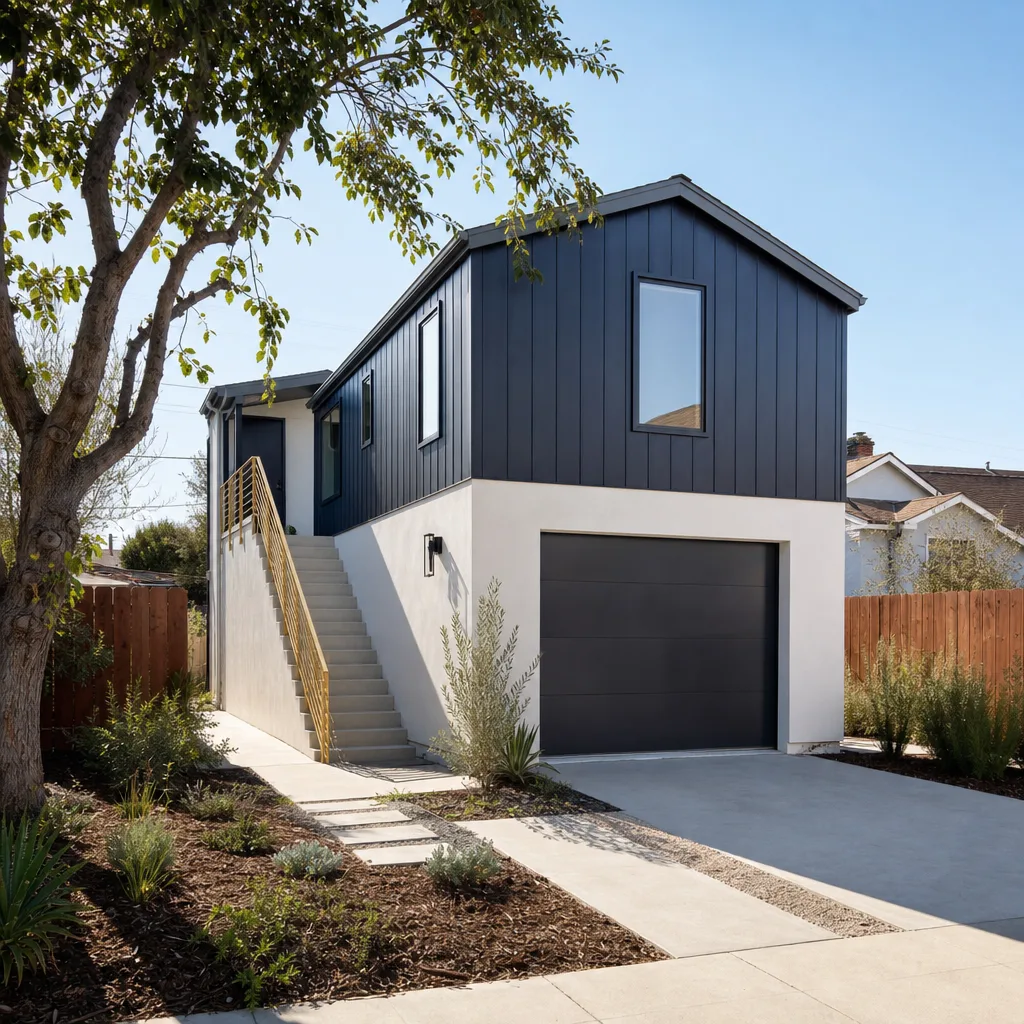
We stock and install new detached ADU components compatible with Plant Prefab’s panelized and modular systems throughout San Jose, with most complete units running $180,000 – $320,000 installed depending on size, site conditions, and finish level. Owners typically call us when a factory component fails, a panel seam opens, or site work turns out to be more than the original install accounted for. The most common discovery point we see in San Jose is six to eighteen months after delivery, when the structure has gone through one full wet season and one full dry season and the building has told you where it’s stressed.
Which Plant Prefab Models This Applies To
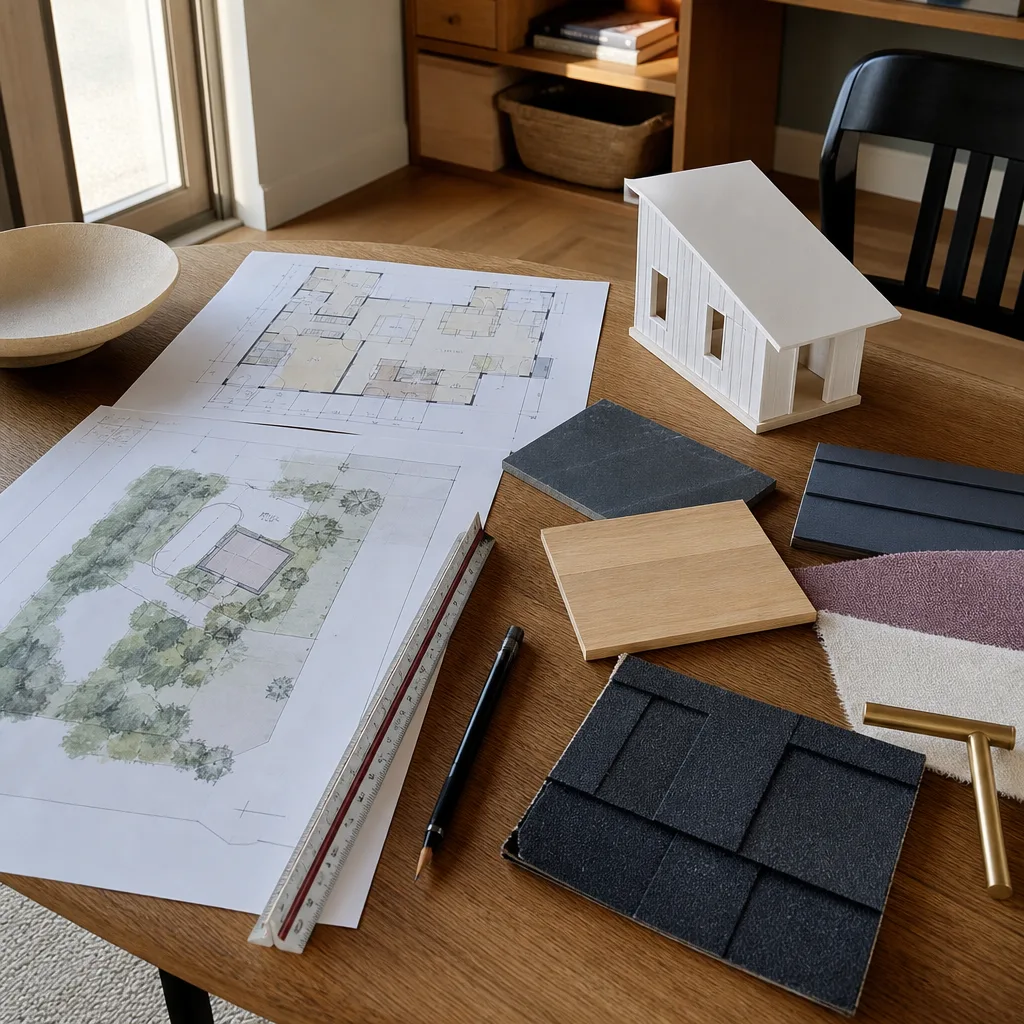
Plant Prefab builds units in several series lines, and the compatibility conversation always starts with which one you have. Their panelized systems (LivingHome series) arrive as wall, roof, and floor cassettes assembled on-site, while their modular units ship as complete modules that get craned onto a prepared foundation. The distinction matters for parts matching: panelized units have field-applied weather barriers and seam flashing that fail differently than factory-finished modular joints. A unit built in their Rialto or Tejon Ranch facility will carry a serial plate inside a closet or utility chase; that plate tells us the series, the production year, and which revision of their panel spec applies to your home.
OEM components from Plant Prefab are warrantied through the factory, and if your unit is within its structural warranty window, we’ll always tell you to file that claim first. Aftermarket equivalents for weather barriers, flashing, and exterior cladding systems are widely available and often outperform the original spec for San Jose’s specific climate demands. What we don’t recommend is mixing panel-system hardware across series lines: a LivingHome 3 hinge detail is not interchangeable with a LivingHome 6 detail even though the parts look close on the bench. We note this because we’ve been handed boxes of “similar enough” hardware by well-meaning homeowners in Willow Glen and had to send it back.
We work with Plant Prefab directly on service details, but in the interest of being plain: Sutton ADU San Jose is an independent ADU contractor. We are not affiliated with Plant Prefab. We maintain relationships with the factory’s service team because it makes parts sourcing faster and the warranty conversation simpler, not because we share a brand.
Signs Your Plant Prefab New Detached ADU Is Failing
- Gaps opening at interior wall-to-ceiling intersections. Panelized construction moves more than stick framing, especially in San Jose’s hot-dry to cool-damp swings. Persistent gaps wider than a nickel after the first year usually indicate a fastening or blocking issue in the panel joint, not normal settling.
- Water staining below window heads or at panel seams on the exterior cladding. Plant Prefab’s weather barrier is factory-applied, but field seams get taped and flashed on-site. If that job was rushed, moisture finds the seam within one rainy season. Staining means water’s already in the wall cavity.
- Musty odor in closet corners or the utility bump-out. Modular units have floor cassette seams that can allow ground vapor if the under-floor seal was compromised. In San Jose’s clay soils, that vapor is persistent, not seasonal.
- Doors that stick in summer but close fine in winter. Panelized walls expand and contract with humidity cycling. A door that binds only in dry months usually means the rough opening wasn’t sized for the anticipated ±3/8″ movement range this region produces.
- Cracking at exterior cladding joints near corners. Factory-applied joint compound and builder-grade caulking have a real lifespan in California UV exposure, roughly four to seven years. Hairline cracks at corners are your warning that the seal is done and the joint needs proper backer rod and sealant, not another smear of caulk.
Replacement Cost & What’s Included

Most Plant Prefab component repairs in San Jose fall between $85 and $245 per line item for materials, with labor running $85 – $145 per hour depending on whether we’re on a ladder, on a lift, or inside a wall cavity. A weather barrier seam repair typically lands at $350 – $800 installed with proper surface prep and water testing. A full panel joint re-fastening and re-flashing job on one wall runs $1,200 – $2,600. If your unit needs a door reframed through a panel, budget $900 – $1,800.
Every quote is a written line-item price before we start. You’ll see the part, the part number where one applies, the hours, the material markup, and any equipment rental in the first draft. No change orders that weren’t discussed and approved in writing. Our workmanship carries a full 365-Day Done Right Promise: if it fails within a calendar year of completion, we return and make it right, no haggling, no second invoice.
DIY or Call Us?
Some of this work is genuinely checkable by an owner. You can photograph panel seams quarter by quarter and track whether a gap changes through a season. You can map exactly where water enters during a storm and mark it with painter’s tape for us. You can pull off a section of baseboard and see whether the floor gap is cosmetic or structural. That information shortens our diagnostic visit and saves you money.
What you shouldn’t do is cut into a Plant Prefab exterior panel to inspect for moisture. Factory panels carry structural load paths and integrated weather barriers that lose their warranty the moment a saw breaks the face. Same goes for loosening panel-to-panel connection hardware without understanding the clamping sequence; those joints are torqued to spec in a specific order. If you’re seeing water, a persistent gap, or movement that wasn’t there at month one, call us at (669) 444-4530 and we’ll diagnose it properly. The inspection is straightforward, and you get a written answer either way.
FAQs
Realistically, the structural shell lasts 50+ years with proper maintenance, and the factory panel and modular systems are engineered for California seismic and wind loads. What ages faster in San Jose is everything exposed to UV: exterior joint sealants (4 – 7 years), weather barrier tapes at exposed seams (7 – 10 years), and cladding finishes (10 – 15 years before refinishing). The foundation and roof are the long-life components; the seals and joints are the maintenance line items.
Most failed components can be repaired if caught early. A delaminating seam can be cleaned, re-flashed, and re-sealed. A misaligned door can be re-shimmed and re-set without replacing the panel. Where full replacement becomes necessary is when water intrusion has compromised the sheathing or structural connection inside the wall, which is exactly why we recommend addressing symptoms in the first season they appear rather than budgeting for a bigger job later. Call (669) 444-4530 and we’ll tell you straight which category your issue falls into.
Most single-component repairs complete in one to two days on-site. A weather barrier seam repair is typically a day. A door re-set is half a day once the door is ordered and in hand. Panel joint re-fastening with proper flashing usually runs two days because the existing sealant needs to be removed, the joint inspected, the hardware re-torqued, and the weather barrier re-installed with adequate cure time between steps. We’ll give you a written timeline with the quote.
We stock common consumables on our trucks: flashing, sealant, backer rod, panel fasteners, and door hardware. Plant Prefab-specific parts like replacement panel sections or factory-color cladding components are ordered from the factory and usually arrive within five to ten business days. If your warranty covers the part, we’ll help you file the claim and coordinate the shipping so the wait doesn’t fall entirely on you. For an exact quote and a lead time, call us at (669) 444-4530.
Written by Miles Hartwell, Owner, Sutton ADU San Jose at Sutton ADU San Jose, serving San Jose and nearby areas.